
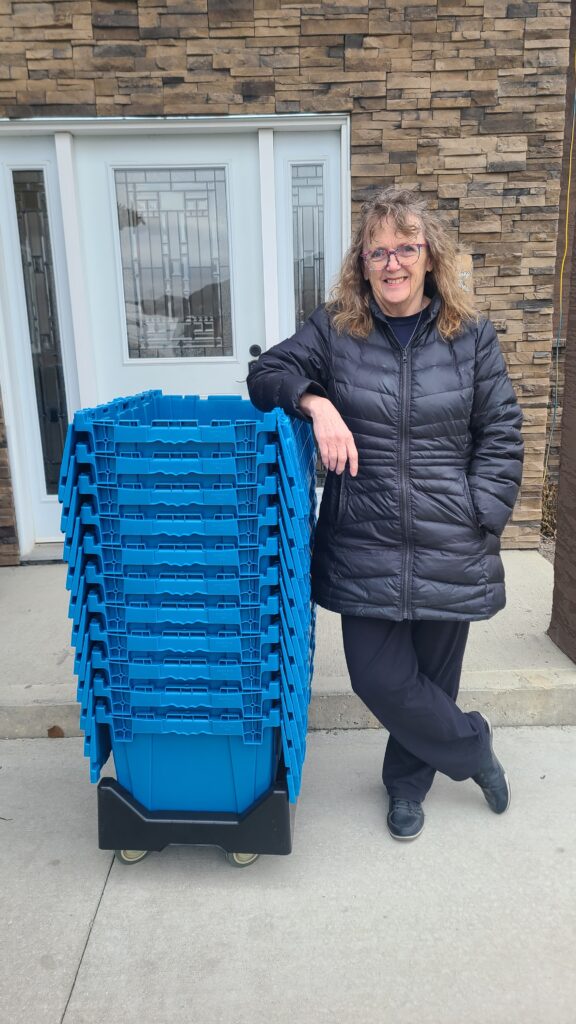
Moving always seems to take longer than expected. If your moving date is getting close and you’re staring at a house full of stuff, don’t panic. You don’t have to pack everything at once.
The key is to pack in the right order. Start with the things you won’t need immediately, work room by room, and save the essentials for last.
Here’s a simple moving checklist to help you make progress quickly without making your final days before the move more stressful.
1. Start With Items You Rarely Use
Your first priority should be things you can live without for the next few days or weeks.
Look around for:
- Seasonal clothing
- Holiday decorations
- Books and magazines
- Extra dishes and serving pieces
- Decorative items
- Artwork and picture frames
- Collections
- Extra bedding and towels
- Small appliances you rarely use
These items are easy wins because packing them won’t interfere with your daily routine.
If you’re packing several rooms at once, reusable moving bins can also make this stage faster. Instead of finding cardboard boxes, assembling them and later breaking them down, The Bin Boss rents reusable moving bins that are ready to use and easy to stack. For a home move, you can see the Home Package: https://thebinboss.ca/product/home-package/ as one option.
2. Pack One Room at a Time
When you’re short on time, avoid walking from room to room grabbing random items. It creates piles everywhere and makes it difficult to tell what has already been packed.
Choose one room and finish as much of it as possible before moving to the next.
A good order is:
Bedrooms → living areas → office → kitchen → bathrooms → everyday essentials
As you pack, label each container with the room it belongs in. You can also add a quick description such as “bedroom – winter clothes” or “kitchen – baking supplies.”
That small step can save you a surprising amount of time when you arrive at your new home.
3. Get Rid of Things You Don’t Want to Move
Moving is a great opportunity to avoid paying to transport things you no longer use.
As you pack, create three categories:
Keep: Things you use and want in your new home.
Donate: Useful items that you no longer need.
Discard: Broken, damaged or unusable items.
Don’t get stuck trying to make a decision about every little item. If you’re seriously short on time, focus on the obvious things first. You can always deal with the smaller decisions later.
4. Pack the Kitchen Strategically
The kitchen can become one of the biggest packing jobs, so don’t leave it completely until moving day.
Start with items you don’t use every day, including specialty cookware, serving dishes, extra glasses, baking equipment and appliances.
Keep a small set of dishes, cutlery, cookware and basic food supplies available until the end.
If you’re using moving bins, they’re particularly convenient for sorting kitchen items because you can group similar things together without worrying about cardboard boxes collapsing or needing to be assembled. The Bin Boss reusable moving bins are designed to be ready to use, stackable and easier to handle than traditional cardboard boxes. The Home Package: https://thebinboss.ca/product/home-package/ is an option for a typical household move.
5. Create an “Open First” Box
This is one of the most useful things you can do before moving day.
Pack one clearly marked box or bin containing the things you’ll want immediately when you arrive.
Consider including:
- Toilet paper
- Paper towels
- Basic toiletries
- Phone chargers
- Medications
- A change of clothes
- Pajamas
- Coffee or tea
- Snacks
- Basic cleaning supplies
- Scissors or a box cutter
- Garbage bags
- Important documents
Keep this container easy to identify and make sure it doesn’t get buried underneath everything else.
6. Leave Everyday Essentials Until Last
Your final packing session should focus on the things you’re still using every day.
Think about:
- Your current week’s clothing
- Toiletries
- Daily medications
- Coffee maker
- Basic kitchen supplies
- Children’s favourite items
- Pet supplies
- Chargers and electronics
- Cleaning supplies
A good rule is to ask yourself, “Will I need this before I move?” If the answer is yes, leave it accessible.
7. Don’t Forget a Moving-Day Bag
Pack a separate personal bag just as you would for a short trip.
Include a change of clothes, toiletries, chargers, important documents, snacks and anything else you don’t want packed away.
If you’re moving with children or pets, prepare a separate bag for them too. Having familiar snacks, clothes, toys or supplies available can make moving day much easier.
8. Use a Simple Packing System
When time is limited, perfection isn’t the goal. Progress is.
Try this system:
Pack → Label → Set aside → Move to the next area.
Don’t repeatedly reopen containers to rearrange everything. Pack similar items together, label them clearly and keep moving.
Most importantly, give yourself permission to do the job efficiently rather than perfectly. A well-organized move is much easier when you aren’t trying to make every container look like it belongs in a magazine.
Your Quick Packing Order
If you’re really running out of time, remember this order:
1. Rarely used items
2. Decorations and seasonal belongings
3. Books and non-essentials
4. Extra kitchen and bathroom items
5. Most clothing and household items
6. Everyday essentials
7. Your “open first” box and moving-day bags last
The goal isn’t to pack your entire home in one frantic afternoon. Break the job into manageable sections, start with what you won’t miss, and work steadily toward the things you use every day.
A little organization at the beginning can make the final hours before your move much calmer.
Check out our packages and book your dates.